
Say “couscous” and the mind automatically wanders to the Maghreb region. In the cuisines of these countries in the Northwestern part of Africa, the tiny, steamed semolina crumbs are a staple food. However, throughout several centuries, culinary influences from these parts have spread like rings over water. Literally. Take, for example, the Macaronesia region (Macaronesia – Wikipedia). On the islands belonging to the archipelago, couscous settled and underwent adaptation to local ingredients and tastes. Madeiran cuscuz is no exception.

Once more or less the staff of life, cuscuz or cuscus – as it’s called on Madeira – over time the consumption gradually declined. It was replaced by potatoes, rice, sweet potatoes and different types of pasta. However, as seen in several parts of the world, the revival and pride in almost-lost culinary traditions and essential skills have led to a renaissance. In some families, the routine of making Madeiran cuscus remained and small-scale production can be found in places like Calheta, Sao Vicente and Ponta do Sol.
Making cuscuz the artisanal way is pure handicraft. Wheat flour, eventually a leaven, salt, and fresh savoury are mixed together. Tepid water is sprinkled and by using the hands, the ingredients are transformed into grain sized crumbles. The result is gathered and wrapped in a linen cloth with more savoury before being placed in a big pan and steamed above a woodfire. After a couple of hours, while still warm, the cuscus in progress is rubbed with the hands into separate granules of roughly the same size, then laid out in the sun for days, until completely dry.
Contrary to the time-consuming process of fabricating cuscus, the preparation or in fact rehydration, is done in a jiffy. Begin by sautéing minced garlic and a touch of fresh savoury or thyme in butter or olive oil until their aromas are released. Next, add two parts of water and bring to a boil. Pour one part of cuscuz and a pinch of salt, turning off the heat and covering the pan with a lid. After approximately five minutes of resting, fluff up the cuscus with a fork. Voila! On Madeira cuscuz vulgar, a simple and straightforward version, is esteemed as an alternative to rice. It is typically served with meat or fish and accompanied by boiled vegetables. Another highly regarded variation is cuscuz rico, a rich one-pot dish enhanced with raisins, pieces of meat and poultry, smoky chouriço or another Portuguese sausage and olives, dished up with pickled cucumbers as a condiment. Hard choice, upon returning home, faced with the question of how to savour the bags of cuscus in the luggage.
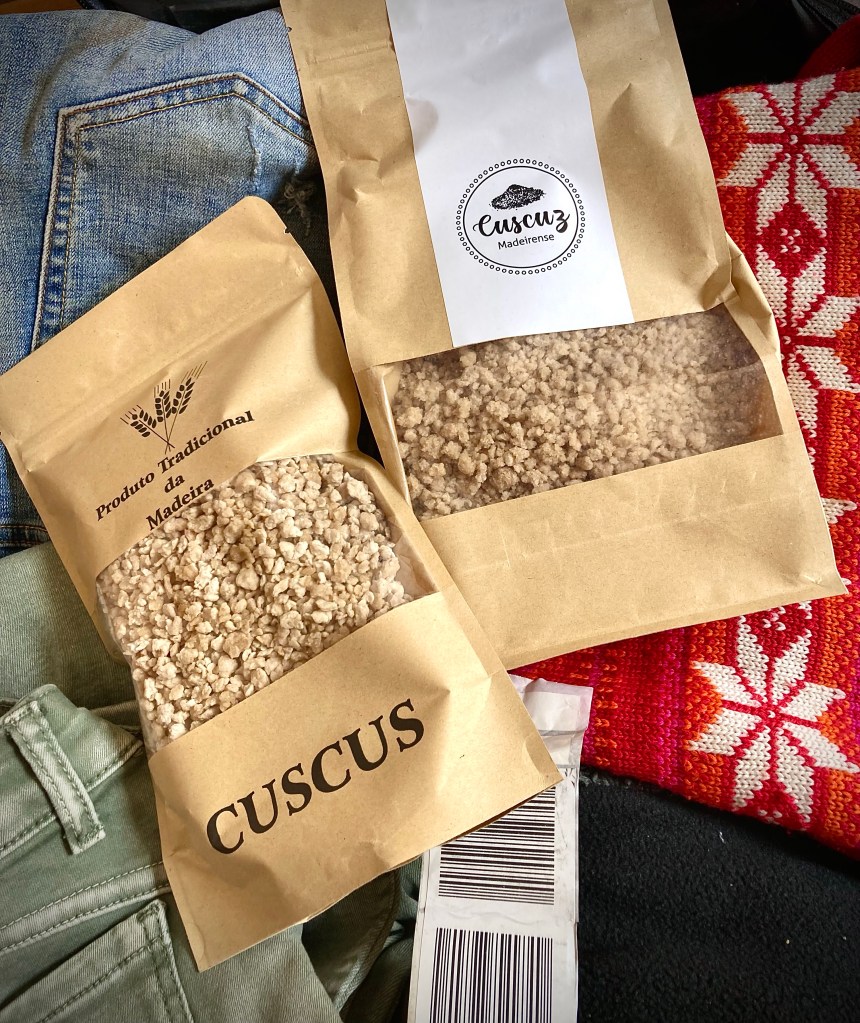
Perhaps being adventurous and cooking up a tribute to the treasure island is an idea, based on impressions and memories. Let’s give it a go!
Let us stay with the basis, cuscus vulgar, in order to allow this ingredient it’s starring role on the menu. Each forkful will carry the taste of the handmade savoury-infused granules. A bean and vegetable stew will complement and enhance it. Fortunately, the Madeiran climate makes it possible to get plentiful fresh vegetables and legumes almost year-round. Peas, bush and pole beans, chayote, courgettes, onions, cabbage – the options are abundant. All kinds of pumpkins, of course. Early in the season, growing heavier and heavier each day, or later, when harvested, drying in the sun on the rooftops.

Root vegetables may face some challenges penetrating the well-drained, fertile, stone-rich volcanic soil.
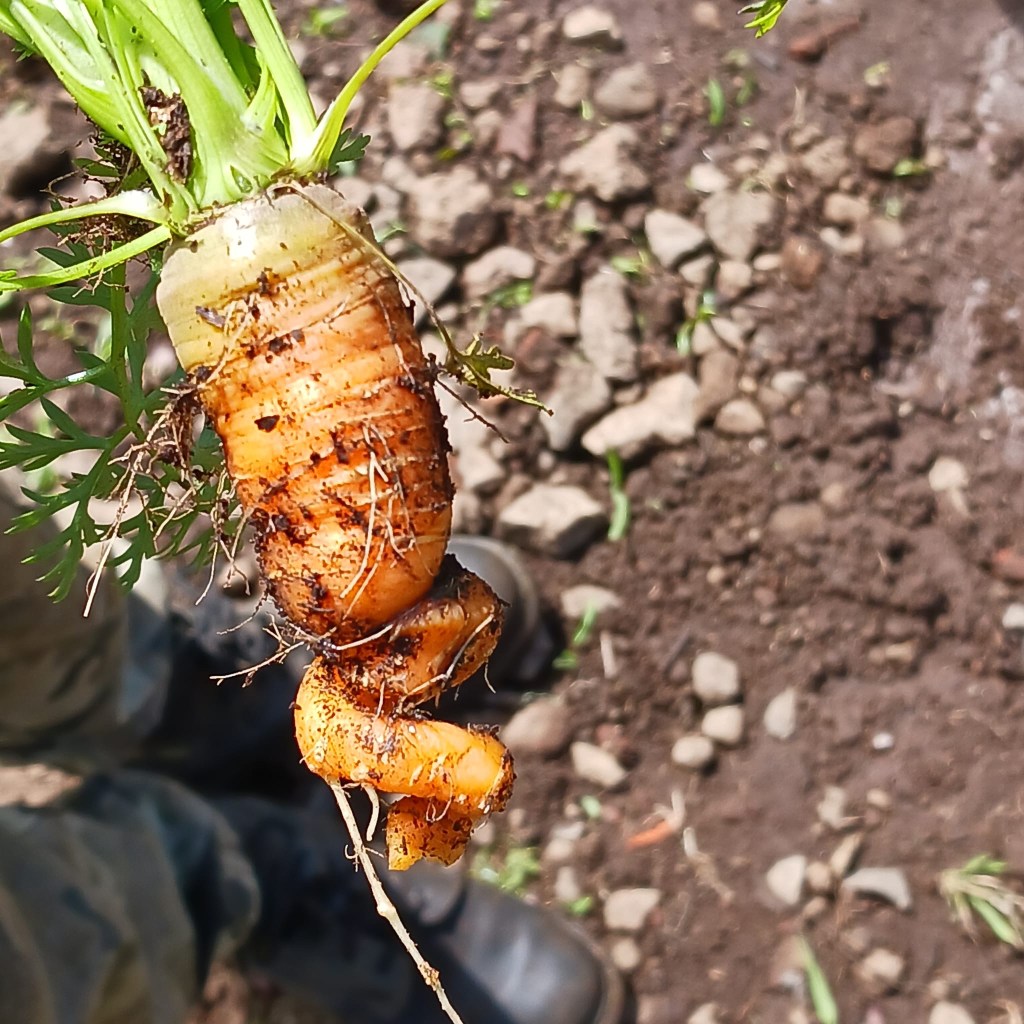
On this vibrant, florid island where it always feels like spring, the more colours in the casserole, the merrier. After all, you eat with your eyes and nose as well. Cuscuz practically begs for bountiful coloured company, and with more or less exotic flowers growing everywhere…
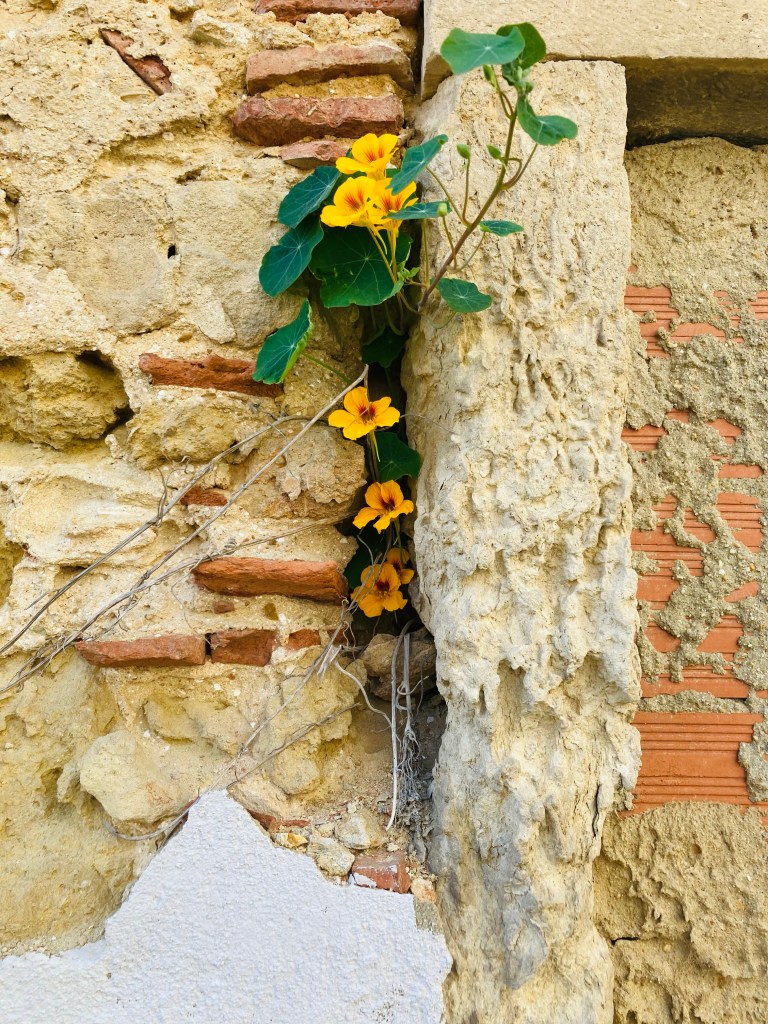
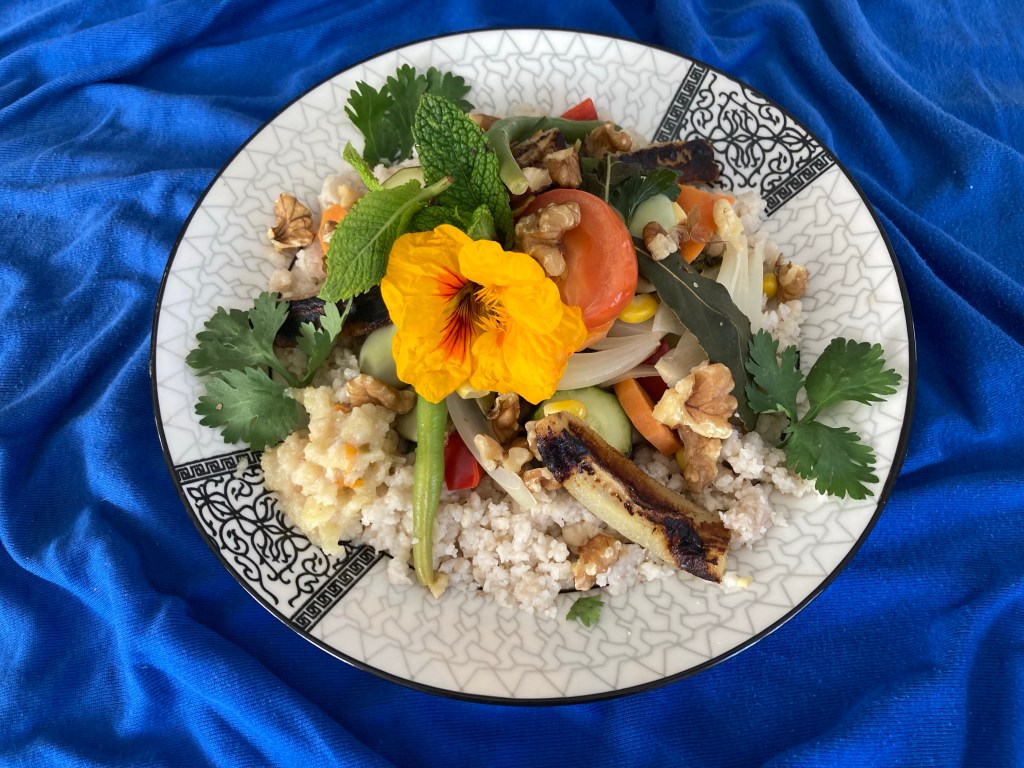
True, the blossoms of the edible Nasturtium are unquestionably eye-catching, with a hint of sweetness and a somewhat peppery taste. Perfect for satisfying hungry eyes as a final decoration, but not doing much to sate a rumbling stomach. For that, we need corns from the cobs, paprikas, tomatoes and other colourful vegetables.
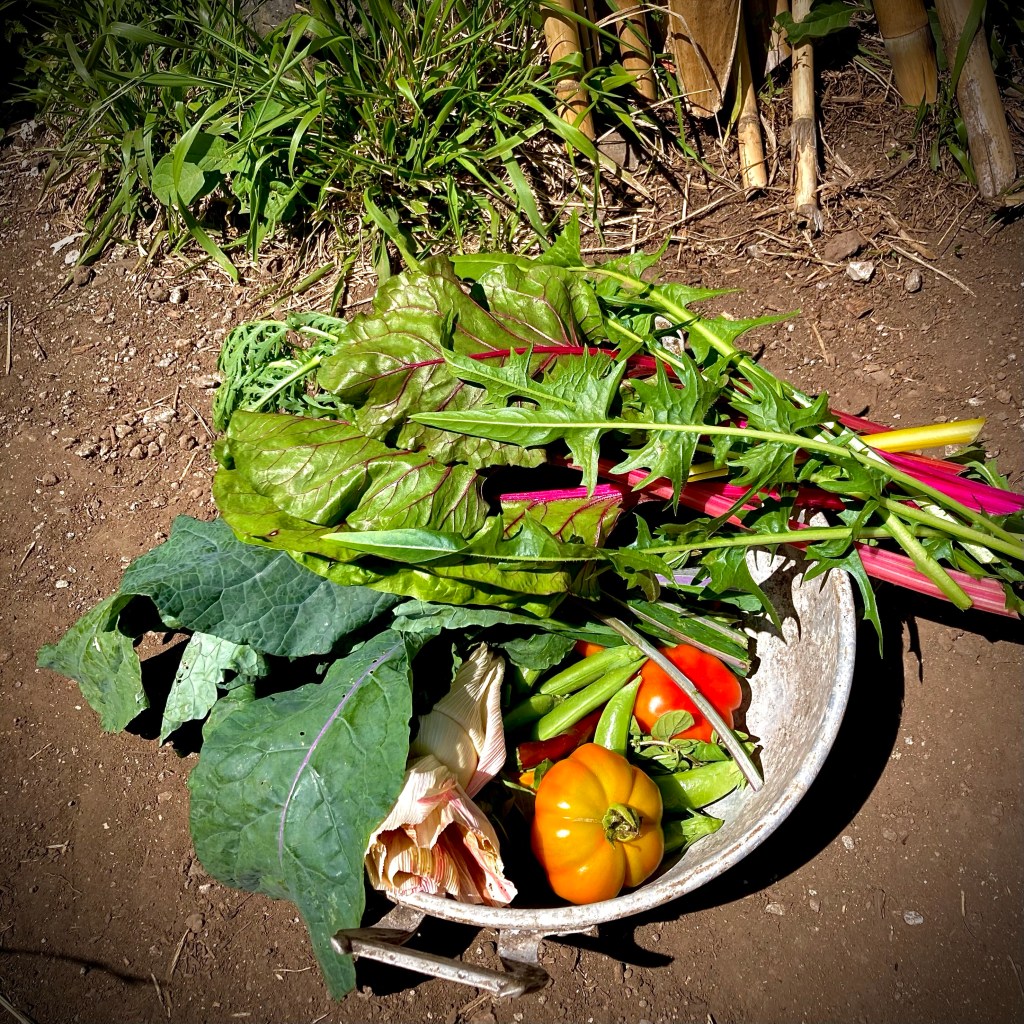
Alright, maybe some herbal or aromatic additions? Absolutely, as long as they don´t compete with the subtle savoury. That means steering clear of the akin aromas of thyme and oregano. Fresh rosemary, abundant on Madeiran slopes, is a power plant, but is excellent in moderation. For dotting the i’s we require something versatile, an all-rounder. With over 20% of the island covered by the laurel forest Laurisilva, ( Laurisilva of Madeira – UNESCO World Heritage Centre ), the fine-tuning is easy-peasy. The whispering taste of bay leaves is sophisticated, discrete and delicate.
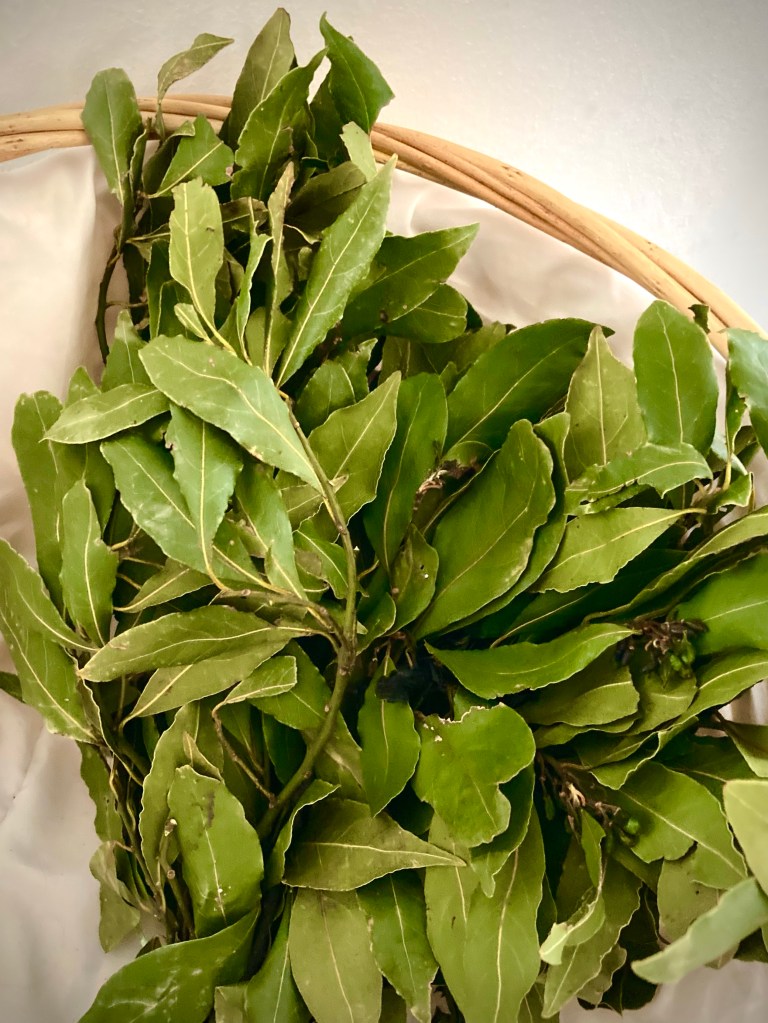
By slowly stewing the aromatics with vegetables and some beans, until just tender, the foundation is set. What else. Something unusual? Picking up inspiration from the famous Madeiran fish dish Espada com Banana, fried black scabbard fish fillet with fried bananas?
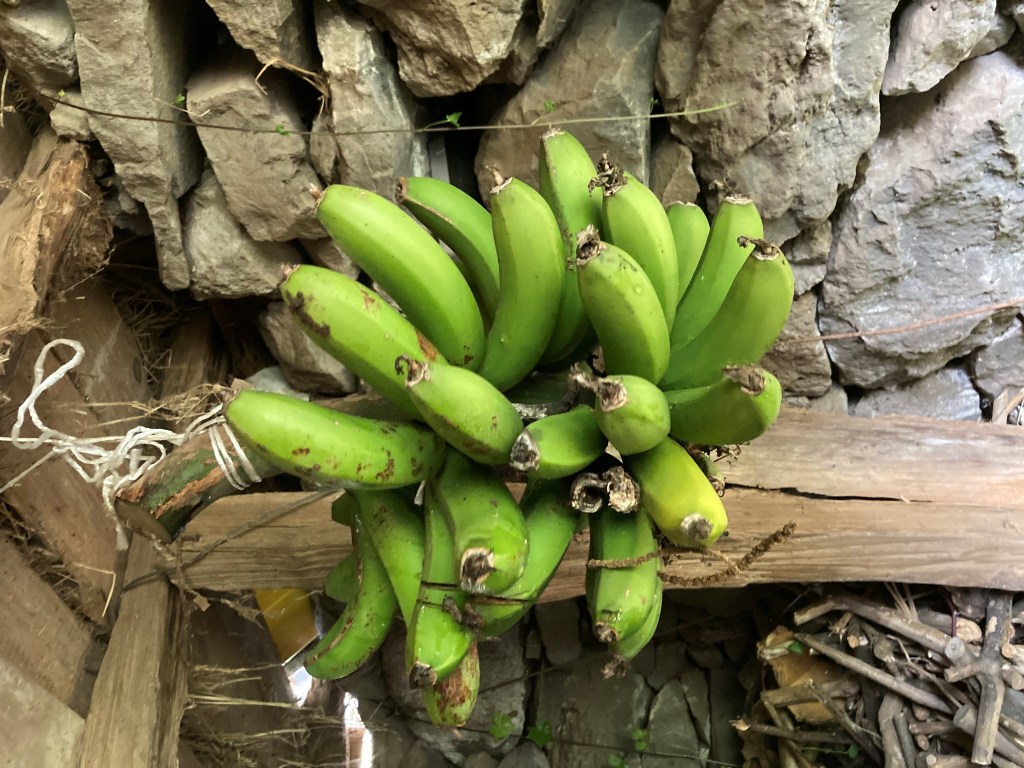
The Banana-da-Madeira is a small, sturdy fellow with a unique sweet, fruity taste and a whiff of citrus fruit. Perfect. Leaving the fish out, we just use creamy pieces of not too mature bananas fritas. Don´t panic if it is hard to find this local variety. As it´s the intention that counts, any other sort is fine. But there’s still something missing. A table condiment. A touch of power, capturing the stunning, breath taking nature of the island. Madeira is a part of Portugal, so why not…?
A bottle of piri piri sauce is never far away in Portugal, but since Madeira is an autonomous region, concocting a local version might be appropriate. Madeira has an abundance of fresh water due to recurrent heavy rainfall, especially in the northern part. No wonder that avocado, a highly water-intensive crop, is grown successfully. A hot sauce with avocado is an option, but an even more thrilling and appealing possibility presents itself. Madeira’s ingenious system of levadas, ( Levada (Madeira) – Wikipedia ) irrigation channels, ensures that water reaches even the drier, warmer and sunnier southern part of the island. Therefore, the island has a long tradition of sugarcane cultivation. And where there’s sugarcane, rum is never far away. Hot sauce with rum – almost there. This beverage is not sweet, but we do need something to balance the sauce. Of course adding some local mel de cana, sugarcane molasses, is one way. On the other hand, sun matured fruit, with its sweetness and depth, is an excellent companion for the powerful chili pepper. Mango, papaya, peach, custard apple… on Madeira the options are endless. But let´s face it, there is a queen candidate for this task. It combines extremely well with both the hot peppers and the rum. Is there any fruit that looks sunnier than the majestic abacaxi?
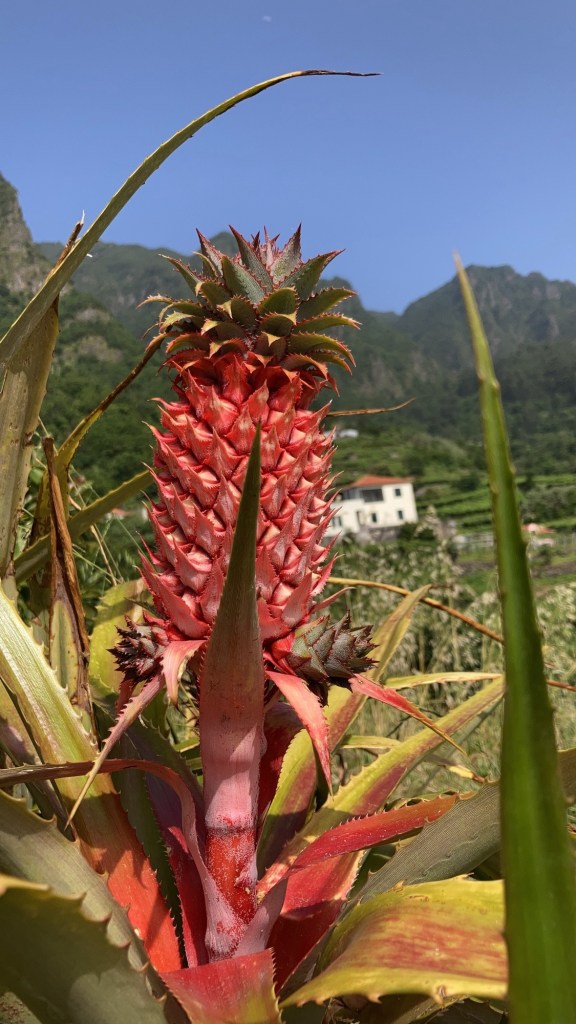
Diced pineapple is gently simmered with finely chopped dry or fresh chili peppers, minced garlic and onion in a minimal amount of water until tender. The fortunate presence of coconut palms, flourishing in the sun-drenched and warmer climate of the island’s southern coast, facilitates a velvety mouthfeel that makes the tastebuds lyrical. A few spoons of desiccated coconut inject still another tropical note. A hint of salt, vinegar, lime juice and of course the rum. A mortar and pestle or a handheld mixer will do the rest and there it is: a mouth watering Pina Colada hot sauce.
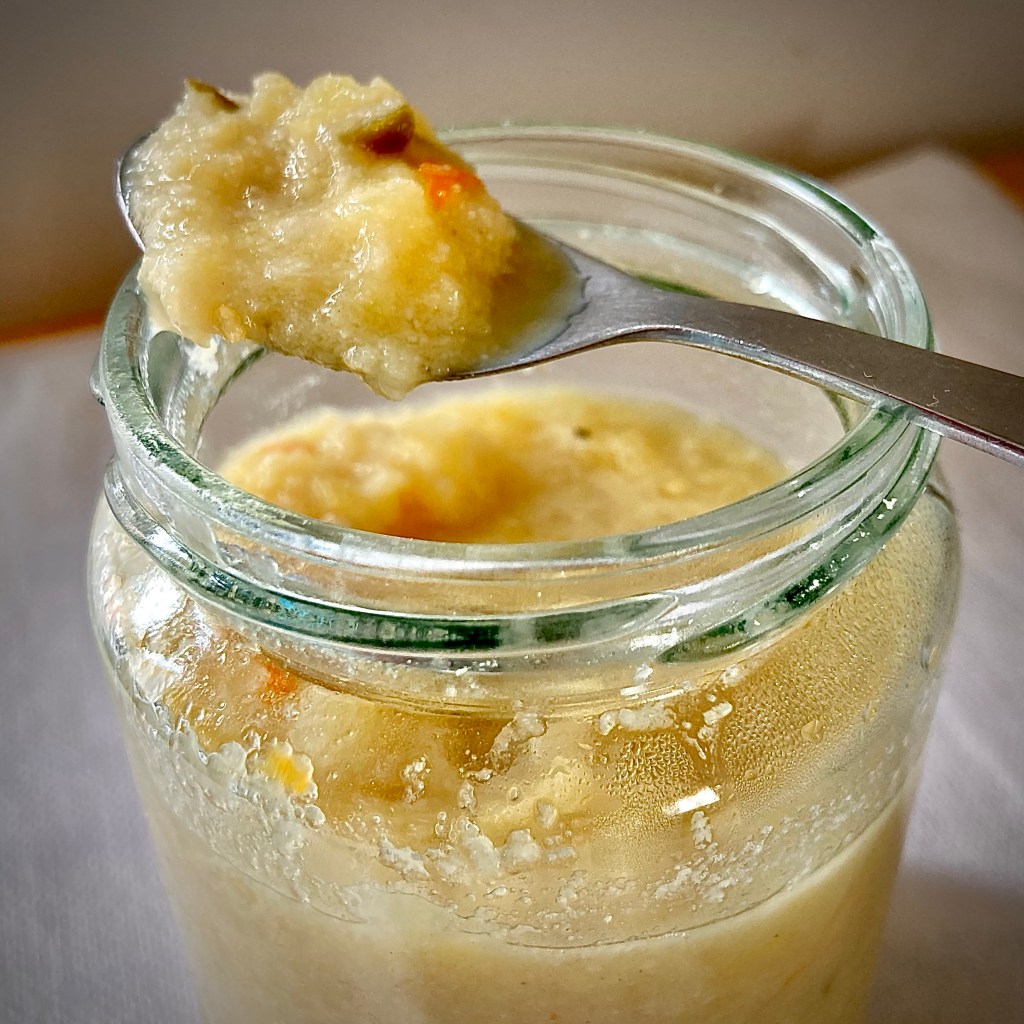
Chunky or smooth, this gentle Caribbean breeze is spot on. It would have pleased Columbus. Prior to his inaugural voyage to the West Indies in 1492, he spent considerable time on the Madeiran Islands. His explorations famously catalysed the Columbian Exchange ( Columbian exchange – Wikipedia ), a pivotal historical event. Indeed, tonight’s Madeiran inspired jantar, dinner, owes a lot if not everything to this transformative exchange of goods and cultures.
Served simply with crunchy walnuts and – with a smile towards the Maghreb cuisines – a garnish of mint and coriander leaves, this dish offers a rich and flavourful experience. Looking for a Madeiran buffet? Accompany it with espetadas – grilled beef skewers -, pieces of grilled pork, poultry, sausages, fish and/or seafood. Slices of avocado, a basket with the sweet potato bread bolo de caco ( Bolo do caco – Wikipedia ) or other bread, fresh fruit and there will be enough food for everybody. A bolo de mel (Bolo de mel – Wikipedia ) guarantees a sweet ending.
 Tastebuddies
Leave a comment